Tag: web design

  • How Web Design Influences SEO Success

    How Web Design Influences SEO Success

    In the digital ecosystem, a website’s design and its search engine optimization (SEO) are not just parallel roads to success; they are intertwined paths that, when navigated correctly, lead to a destination of high visibility and user engagement. The impact of web design on SEO is profound, influencing how search engines discover, interpret, and rank content. Let’s delve into the design elements that affect a website’s search engine rankings and explore strategies that designers can implement to bolster SEO.

    User Experience (UX) and SEO: A Harmonious Relationship

    The evolution of search engine algorithms has shifted the focus from mere keyword saturation to the overall user experience (UX). This paradigm shift underscores the importance of UX in SEO strategy. A well-designed website that caters to user experience is a symphony of aesthetics, functionality, and accessibility, all playing in harmony to satisfy the user’s quest for information and ease of use. A website that has been designed with these strategies is more likely to retain visitors, reduce bounce rates, and encourage engagement, all of which are positive signals to search engines.

    • Intuitive Navigation: Just as a map guides a traveler, intuitive site navigation directs the user to their desired destination on a website. A logical structure, with a clear hierarchy and easy-to-identify categories, reduces confusion and frustration, keeping users on-site longer.
    • Consistent Layouts: Consistency in design elements and layouts across pages creates a familiar environment for users, making navigation second nature. This consistency also aids search engines in understanding page structures and content flow.
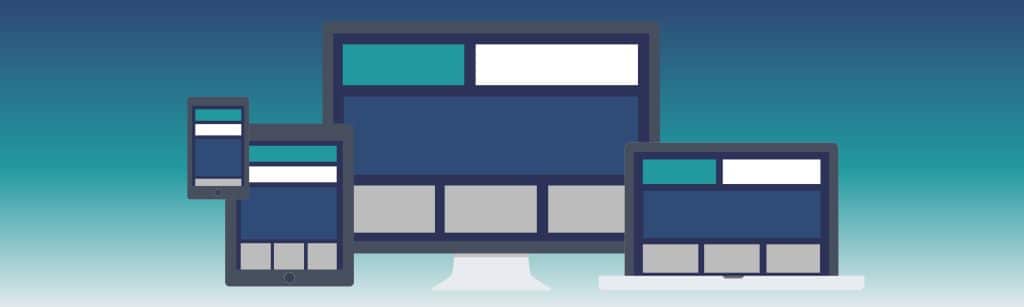
    • Mobile Responsiveness: With mobile-first indexing, search engines now use the mobile version of a website for ranking and indexing. A responsive design that adapts to various screen sizes is essential for SEO.
    • Loading Speed: A website’s loading time is a direct ranking factor. Optimized images, streamlined code, and a reliable hosting solution can significantly improve site speed.In essence, the user experience is a cornerstone of modern SEO. Search engines aim to serve users with the best possible results, and a website that offers a superior user experience is more likely to be rewarded with higher rankings. The symbiotic relationship between web design and SEO is clear: by designing for the user, you inherently optimize for search engines.

    In essence, the user experience is a cornerstone of modern SEO. Search engines aim to serve users with the best possible results, and a website that offers a superior user experience is more likely to be rewarded with higher rankings. The symbiotic relationship between web design and SEO is clear: by designing for the user, you inherently optimize for search engines.

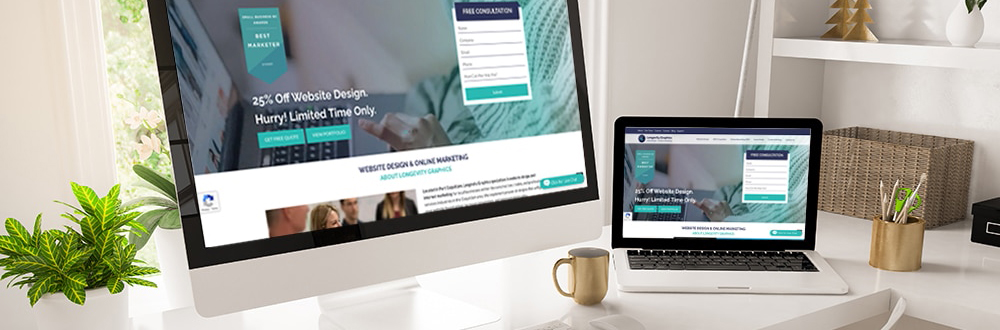
    web design and SEO

    Content Visibility and SEO: The Art of Being Seen

    The presentation of content on a website is a critical factor that can significantly influence its visibility to both users and search engines. It’s a delicate balance between aesthetics and functionality, where the goal is to captivate the user while also ensuring that the underlying structure of the content is accessible to search engine crawlers. Here’s how designers can achieve this balance:

    • Hierarchy and Structure: Using header tags (H1, H2, H3) to structure content helps search engines understand the relative importance of different sections of text.
    • Readability: Font choices, text size, and color contrast can impact how easily users can read website content, influencing their time on site and the likelihood to convert.
    • Bulleted or Numbered Lists: These break down information into digestible chunks, making it easier for users to scan and for search engines to pick out key points.
    • Alt Text for Images: Providing descriptive alt text for images allows search engines to better understand the content and context of visuals, aiding in image search rankings.
    • File Names and Formats: Image file names should be descriptive and include relevant keywords if appropriate. The file format and compression should be chosen to balance quality and load time, as both are important for SEO.

    The presentation of content is a multi-faceted aspect of web design that requires a strategic approach to satisfy both aesthetic sensibilities and search engine requirements. By crafting content that is both visually engaging and structured for accessibility, designers can significantly enhance a website’s SEO potential.

    Technical SEO and Web Design: The Invisible Framework

    The technical aspects of web design are akin to the foundation of a building — not always visible but vital for stability and functionality. In the context of SEO, these technical elements ensure that a website is not only accessible to users but also easily navigable by search engine crawlers. Here’s a closer look at these critical components:

    • Clean Code: A clean, well-structured HTML/CSS codebase is easier for search engine crawlers to understand. Search engines favor websites with clean, well-organized code, which they can easily crawl and index. Using HTML5 semantic elements such as <header><footer><article>, and <section> helps define the structure of web content, making it easier for search engines to determine the role and relevance of each page element.
    • CSS and JavaScript Optimization: External stylesheets and JavaScript files can reduce code clutter. Minifying these files by removing unnecessary characters without changing functionality can also speed up load times, enhancing SEO.
    • URL Structure: User-friendly and keyword-relevant URLs can improve a site’s SEO. They should be concise, easy to read, and indicative of the content’s hierarchy.
    • Schema Markup: Implementing schema markup can enhance the way search engines read and represent your page in SERPs, potentially increasing click-through rates.
    • Robots.txt: This file tells search engine crawlers which pages or sections of the site should not be crawled. It’s essential to configure this correctly to prevent search engines from missing important content.
    • XML Sitemaps: An XML sitemap lists a website’s important pages, making sure search engines can find and crawl them all.
    • SSL Certificate: Implementing HTTPS, indicated by a padlock in the browser, encrypts data between the user and the server. Search engines often rank secure sites higher.

    The technical aspects of web design form the invisible yet essential framework that supports a website’s discoverability and usability. By mastering these elements, designers and developers can create websites that are not only user-friendly but also optimized for search engines, leading to better rankings and, ultimately, more traffic.

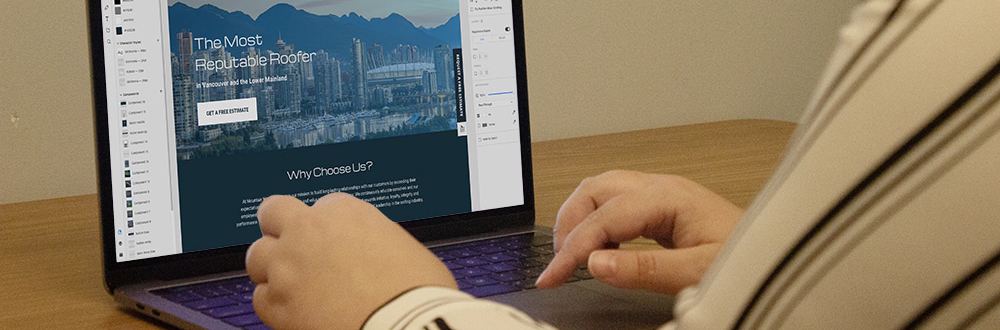
    a web designer at work

    Web Design for Conversion: Aligning Aesthetics with SEO Goals

    Ultimately, the goal of SEO is not just to drive traffic but to convert that traffic into meaningful action whether that’s sales, sign-ups, or other forms of conversion. The design of a website plays a pivotal role in guiding visitors through the conversion funnel, from initial interest to final action. Here’s how design intertwines with SEO to not just capture, but convert:

    • Call-to-Action (CTA) Buttons: Strategically placed and visually distinct CTA buttons can guide users toward desired actions, such as filling out a lead form, clicking a phone link, or making a purchase.
    • Landing Pages: Tailored landing pages can be powerful tools for conversion. They should be designed to match the intent of the visitors, providing them with the exact information they were seeking and guiding them towards a conversion with minimal distractions.
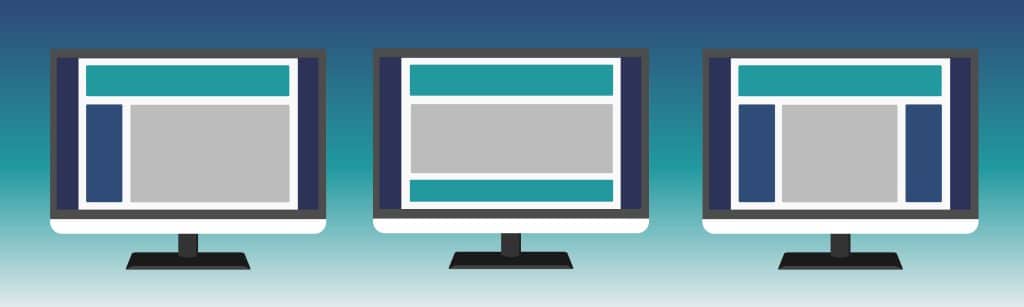
    • F-Pattern and Z-Pattern Designs: These design patterns take into account the natural scanning patterns of the eyes when reading content online. Aligning important elements such as key benefits, CTAs, and trust signals (like testimonials) along these patterns can increase the likelihood of conversion.
    • Professional Design: A professional and modern design instills confidence in users. Poor design, on the other hand, can raise doubts about a website’s credibility.
    • Social Proof: Including elements like customer testimonials, client logos, and trust badges can reassure visitors of the legitimacy and quality of the business or product.
    • Privacy Policies and Secure Checkouts: Especially for e-commerce sites, showcasing security measures and clear privacy policies can alleviate users’ security concerns.

    In essence, while SEO is the vehicle that brings visitors to the doorstep of a website, design is the welcoming host that invites them in and guides them comfortably toward a desired action. A well-designed website that is optimized for conversion can effectively turn passive visitors into active customers, fulfilling the ultimate goal of SEO.

    Continuous Testing and SEO: The Cycle of Improvement

    SEO is not a set-it-and-forget-it endeavor. It is a dynamic and continuous process that requires regular attention and adaptation. The digital landscape is ever-changing, with search engine algorithms evolving, competitor strategies shifting, and user behaviors and preferences developing over time. To stay ahead in the SEO game, one must embrace the cycle of testing, analyzing, and refining design elements. Here’s how this process can lead to sustained SEO improvements:

    • A/B Testing: Experimenting with different design layouts, color schemes, and content presentations can reveal what resonates best with users.
    • Responsive Design Testing: With the variety of devices used to access the internet, ensuring your website is fully responsive is crucial for SEO.
    • Load Time Optimization: Website speed is a critical SEO factor. Users expect fast-loading pages, and search engines prioritize speed in their ranking algorithms.
    • Technical SEO Audits: Technical SEO elements must be audited regularly to identify and fix issues that could impact search engine indexing and ranking.
    • Security Enhancements: As security is a ranking factor, it’s important to regularly update security features on your website. Keep your SSL certificates up to date to maintain website security and trustworthiness. Apply updates and patches to your CMS and plugins to protect against vulnerabilities.
    • Analytics: Regularly reviewing analytics data can provide insights into how design changes impact user behaviour and SEO performance.

    SEO requires a proactive and adaptive approach. By continuously testing and tweaking design elements based on data-driven insights, you can enhance user experience, meet search engine criteria, and ultimately achieve sustained improvements in SEO performance. This iterative process ensures that your website remains competitive, relevant, and aligned with the goals of both users and search engines.

    Mastering the Art of SEO-Friendly Website Design

    Web design and SEO are deeply interconnected, with each influencing the success of the other. By understanding and implementing design principles that cater to both aesthetics and search engine requirements, designers can create websites that not only captivate users but also climb the ranks of search engine results pages. The digital landscape is ever-changing, and staying abreast of these changes is key to a website’s online success.

    an SEO expert at work

    Longevity Graphics: Your Website Design and SEO Partner

    Choosing a digital marketing agency is a significant decision that can shape the future of your business. With Longevity Graphics, you’re not just hiring a service provider; you’re partnering with a team that shares your vision and works tirelessly to make it a reality.

    From experience and customization to local insights and comprehensive services, Longevity Graphics offers a unique blend of qualities that make them an ideal choice for businesses of all sizes.

    To contact Longevity Graphics, simply visit our website at www.longevitygraphics.com or feel free to call us directly at 604-942-8486.

    If you’re looking to elevate your digital marketing efforts and drive real results, consider Longevity Graphics as your trusted partner. Their dedication to your success is not just a promise; it’s a commitment they live by.
  • The Psychology of Web Design: How to Influence User Behaviour

    The Psychology of Web Design: How to Influence User Behaviour

    In today’s digital era, understanding the psychology of web design is crucial for creating effective websites that influence user behavior. By delving into the subconscious decision-making processes of users, web designers can leverage various design elements to captivate, engage, and guide visitors. In this blog post, we will explore the fascinating realm of the psychology of web design and discover strategies to influence user behaviour.

    Colour in web design

    Color Psychology and the Psychology of Web Design

    The psychology of color plays a significant role in web design, influencing user emotions and behaviors. By employing color psychology techniques, web designers can evoke specific feelings and shape user perceptions. Whether it’s creating a sense of urgency with warm colors like red or orange, or fostering trust and calmness with cool colors like blue and green, understanding the psychological impact of color is essential in optimizing the user experience.

    Visual Hierarchy: Guiding User Behaviour through Web Design

    In the psychology of web design, visual hierarchy is a powerful tool for guiding user attention and behaviour. By strategically arranging visual elements, designers can direct users through the most critical content and actions on a webpage. Size, contrast, and positioning are crucial factors that draw attention to important elements, such as headlines, buttons, or forms. Harnessing the principles of visual hierarchy enhances user engagement and encourages desired user behaviours.

    Typography: Influence and Impact on User Behaviour

    Typography in web design goes beyond aesthetics; it influences user behavior and sets the tone for the website. The psychology behind font styles and choices is a key aspect of web design. Serif fonts convey tradition and reliability, while sans-serif fonts evoke modernity and simplicity. By carefully selecting font size, weight, and spacing, designers can emphasize key messages, enhance readability, and positively impact user behavior.

    Social proof in web design

    Social Proof: Leveraging Psychology for Trust and Action

    In the psychology of web design, social proof plays a vital role in influencing user behavior. Humans seek validation from others, and incorporating social proof elements, such as testimonialsgoogle reviews, or social media widgets, can significantly impact user decisions. By showcasing positive feedback and demonstrating the number of satisfied customers, web designers can build trust, credibility, and encourage users to take desired actions.

    Visual Cues: Guiding Users with Psychological Triggers

    Strategic use of visual cues in web design is a powerful technique for influencing user behavior. By incorporating elements like arrows, lines, or images of people looking towards important elements, designers can direct users’ attention and guide their actions. Visual cues create a sense of visual flow and intuitive navigation, making it easier for users to find desired information or complete specific tasks.

    Gamification and Microinteractions: Engaging Users through Psychology

    Understanding the psychology behind user behavior is crucial when incorporating gamification and microinteractions into web design. Humans have an innate desire for achievement and enjoyment. Elements such as progress bars, badges, rewards, or interactive animations can create a sense of accomplishment and motivate users to explore further. By carefully implementing these elements, designers can enhance user engagement and encourage desired behaviors.

    Understanding The Psychology of Web Design

    In the realm of web design, understanding the psychology behind user behavior is paramount. By leveraging the psychology of web design through color psychology, visual hierarchy, typography, social proof, visual cues, and gamification, designers can create captivating experiences that influence user decisions and actions. Taking a strategic approach to web design can lead to increased user engagement, improved conversion rates, and the achievement of business goals. By continuously studying user behavior and staying updated with emerging design trends, designers can refine their skills and create exceptional web experiences that leverage the power of psychological triggers.

    A well-designed website is key to gaining new customers.

    Does website design & development really matter? Studies show that a well-designed website will generate more traffic and increase your number of leads. Ultimately, this increase in leads means more sales for your business.

    Our website design & development services include the creation of websites that range from entry-level 1-page websites to extensive e-commerce websites.

    Visit our Website Design & Development page to inquire about pricing and to learn more.

  • The Anatomy of a Website Design Project: What’s Included?

    The Anatomy of a Website Design Project: What’s Included?

    Designing a website involves a lot more than just choosing colours and typing up content. It’s a multi-dimensional process that involves several stages, from defining the project’s scope to testing and launching the site. Let’s take a look at what’s included in a website design project.

    1. Project Definition and Scope

    Before any design work begins, it’s crucial to define the purpose and scope of the website. This includes determining what the website aims to achieve, its target audience, and what content it should have. A clear definition of the project will guide the entire design process.

    The project scope, on the other hand, defines the specific activities, deadlines, and deliverables involved in the project. Defining the scope prevents the project from expanding beyond its initial expectations, a phenomenon known as “scope creep”.

    2. Site Architecture and Wireframing

    Once the project’s scope is defined, the next step is to plan the site’s architecture. This involves creating a sitemap that outlines the main areas and pages of the website, ensuring logical navigation for users.

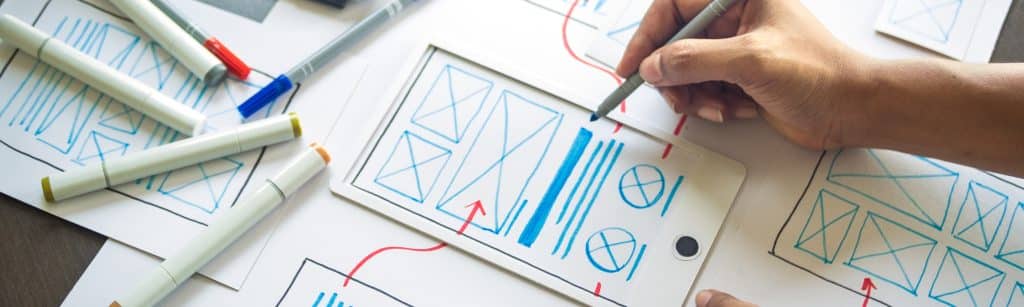
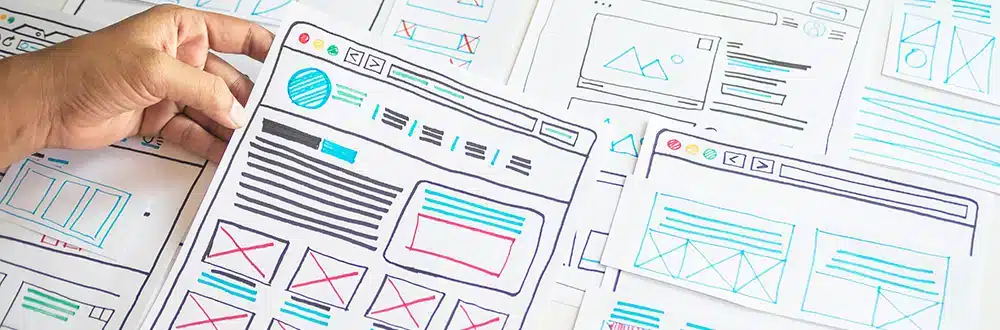
    Wireframes are also created at this stage. These are blueprints of each page, showing where various elements such as navigation, content, and images will be located. Wireframes are essential for understanding the website’s functionality and user flow without being distracted by design elements.

    web design wireframes

    3. Design and Mockups

    This is where the visual elements come into play. Designing involves selecting colours, typography, and imagery that align with the brand identity and appeal to the target audience. The designer will create a mockup or prototype of the website that includes these design elements, along with the layout determined in the wireframing stage.

    4. Content Creation

    While design is crucial, content is king. It’s during this stage that the website’s text, images, and videos are discussed and planned. Clients will either provide the content for the website, or the marketing team will write and optimize the content for both users and search engines. This includes writing compelling headlines, informative descriptions, engaging blog posts, and more. For best results, content should be tailored to the target audience and convey the brand’s message effectively.

    5. Development

    Once the design and content are ready, the next step is to bring them together in the development stage. Developers translate the design mockups into HTML, CSS, and JavaScript to create a functional website. This stage may also involve setting up a Content Management System (CMS) like WordPress, configuring databases, and implementing other back-end tasks.

    6. Quality Assurance and Testing

    Before a website goes live, it must undergo rigorous testing. This includes checking for any coding errors, broken links, and compatibility issues across different devices and browsers. User testing can also be performed to see how real users interact with the site and make necessary improvements.

    7. Launch

    The final step in a website design project is launching the website. This means transferring the website from a local development environment to a live server, which makes it accessible to the public. The launch is typically followed by a period of post-launch support to fix any unforeseen issues that arise.

    8. Maintenance and Updates

    A website is never truly “finished”. It needs regular updates and maintenance to stay relevant and functional. This includes updating content, fixing bugs, improving user experience, and more.

    In summary, a website design project involves several distinct but interconnected stages. Each stage requires careful planning and execution to ensure the final product aligns with the initial vision and serves its intended purpose effectively. Understanding what’s included in a website design project can help stakeholders manage their expectations and contribute more effectively to the project’s success.

    Need a new website? View our website design packages and contact us for a free consultation and estimate.

  • 3 Timeless Principles of Web Design That Will Boost Your Business

    3 Timeless Principles of Web Design That Will Boost Your Business

    Web design has changed a lot over the past few decades, with new technologies and tools appearing all the time. If you want to build a great website that converts visitors into customers, you might think that you should follow the latest flashy trends. But there are some fundamental principles of web design that have remained constant. While trends come and go, and can quickly make your website look outdated, design principles that have stood the test of time guarantee quality design that lasts. Read on to learn about 3 timeless principles of web design that can boost your business’s website!

    Consistency and Standards

    Imagine a person visiting your site for the first time. They should be able to navigate around easily, without getting lost or experiencing unnecessary confusion. Adhering to well-established web design conventions and maintaining consistency throughout your website helps visitors find what they are looking for, which makes them more likely to make a purchase.

    Adherence to Conventions

    Over time, many conventions have become entrenched in the world of web design. For example, most websites have the logo at top left. The main navigation is shown along the top on desktop computers, and collapses behind a clickable hamburger (or three line) icon on mobile devices. Besides the hamburger icon, there are many other familiar icons, such as the shopping cart on e-commerce websites. You might be tempted to do something different on your website, thinking yourself more creative, but making use of these familiar design patterns and elements ensures that visitors to your site can leverage their previous experience with other websites to quickly navigate through your site.

    Web design standards

    Internal Consistency

    Your website should also maintain internal consistency, meaning it should have a consistent layout and navigation, a specific colour and typography scheme, and consistent use of images across all the pages of your site. Remember that it’s not just about how it looks, but also how it functions! For example, buttons and menu items should both look the same and behave in a consistent way when they are clicked. Creating cohesion and organization gives visitors a sense of familiarity and trust when they’re browsing different pages or sections within your site. And trust is important to people when choosing which business to buy from.

    Aesthetics and Minimalist Design

    Clear and minimalistic design guides visitors through your website and presents them with content in a logical order – without unnecessary clutter. Someone visiting your site usually has a clear goal. They want to understand what you’re offering and decide whether they want to purchase from you. Keeping your site simple and aesthetically pleasing makes it easier for visitors to complete their goal without distraction. You can create a clean look by utilizing white space, and keeping the number of different colours and fonts used to a minimum.

    minimalist design

    User Experience and Usability

    User experience and usability are often overlooked aspects that can determine whether a visitor decides to stay on your site or leaves. User experience design focuses on making sure you’re always designing with your audience in mind. One part of that is usability, which focuses on keeping your website easy to use.

    Responsive web design is one of the most important aspects of user experience and usability. Making your website responsive gives visitors a seamless experience across all screens, including smartphones, tablets, laptops, and desktops. With many people accessing websites on their phone and abandoning them when they don’t work well on mobile, it’s crucial to make sure your site is designed for the way people use their devices.

    Get a Free Web Design Consultation for Your Business

    At Longevity Graphics, we work with business owners to create websites that convert! We design and build WordPress websites using the latest trends and technologies, but with an understanding of proven design principles.

    For a limited time, we are also offering 25% off web design and no interest financing. Get in touch with us for a free 1-hour web design consultation to learn how we can help your business reach its online potential.

  • Tips for Writing Killer Titles for Your Top Traffic Website Pages

    Tips for Writing Killer Titles for Your Top Traffic Website Pages

    Why are title tags important?

    Title tags are shown on search engine results pages (SERPs) and are important for usability, SEO and social sharing. 

    Title tags are a large part of search engines understanding what your page is about. It is the first impression that people have of your page.

    Title tags are found and used in:

    1. Search engine results pages (SERPs): Even if your site ranks high, a good title may determine if someone clicks on your link.
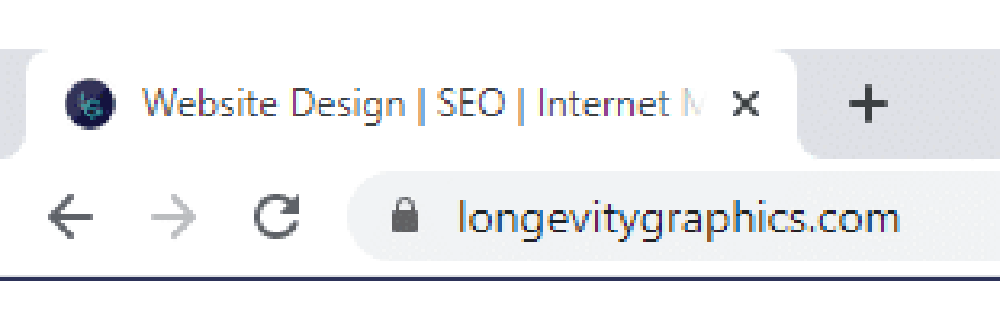
    2. Web browsers: Unique, easily memorable titles with important keywords will help people follow your message. Especially when they have multiple tabs open.
    3. Social networks: Websites like Facebook will have their own meta tags. This lets you specify titles different than your main title tag which allows you to optimize each network and provide longer titles where they’re needed.

    How do I write a good title tag?

    1. Watch your title length: When a title is too long, search engines may cut characters or words off. Because of this, if you are not careful, you could lose important words. It is generally recommended that titles are under 60 characters long. 
    2. Don’t stuff keywords: This means that you should not overuse a keyword in a title. Avoid titles that repeat the same keyword over and over. This looks unprofessional for those looking on a search page and could also potentially get you in trouble with search engines. 
    3. Put important keywords first: Keywords closer to the beginning of your title tag will probably give more impact on search rankings. 
    4. Take advantage of your brand: Adding your brand name to the title may help boost click-through rates. Especially if you have a strong and well-known brand. There are cases such as your home page or about page where you want to be more brand-focused. 
  • Easy Tips for Designing a Killer Website that Converts!

    A Poorly Designed Website Can Kill Your Sales

    It is very important to have a website, and now more than ever, it needs to reflect your business, service or product. Having a professional website can make or break a sale. Your website is usually the first or second contact with a new customer. They either find you by doing a search within a search engine like Google or Bing, or they find your business via another source and they look up your website to find out more information about your business, product, or service.

    Have you ever done business with a company that offers an amazing product or service, and their website just doesn’t reflect amazingness? They could be losing new business daily! Do them a huge favour, and let them know about the experience you had with their website. They can not change something that they are not aware of.

    Tips for designing a killer website that converts into positive ROI!

    1. Use Great Graphics

    Having poor graphics can decrease the value of your website. Make sure your graphics are high quality and are not pixelated. If you are designing your website on your own (which some small businesses do) make sure you get someone to help with the graphics that you design or choose. iStock is a great place to purchase high quality graphics.

    2. Make Sure It Looks Professional

    I know that lots of business owners like to save money. Realistically, we all do. Having a budget to have your website designed professionally is important. Cheaping out and getting your site built by a friend, a student, or your own kid who took a course in high-school will only cost you money and sales in the end.

    I have worked with many businesses that had their first website designed by someone new in the design industry, and I have found that the level of professionalism was just not there. Having a website that isn’t functional, or looks thrown together is only going to leave a bad impression with your potential customers about your product or service.

    3. Spell & Grammar Check Your Content

    How many times have you gone to a website and found errors throughout the content? It doesn’t reflect well on the business. The impression that you are giving is that you don’t care to do things well. Again, have someone go over the content to correct the errors. It can be a friend, colleague, employee or spouse. It takes just one look-over to find some errors that you just didn’t see because you had been staring at it for too many hours. It is worth it in the end.

    4. Easy To Navigate

    Help your user find what they are looking for easily. Implement a user friendly navigational system. Have people test it out and provide feedback. Using a tracking program like crazyegg can give you some great feedback on the usefulness of your navigation.

    5. Make it Easy For Them To Contact You

    Your website is the perfect place to interact with your new customers. I have had many consultations with new clients that complain about their existing website not doing anything for them. When I look at the website, I find their contact information buried in their contact page. I recommend placing the business phone number dominantly in the header of the document on every page so that the user doesn’t have to search for it. Also, I always add a simple contact form to every page. Yes, I said every page! Most importantly, make sure that it is above the fold. This will definitely increase the chances of your customer contacting you. We have seen a website go from 0 calls to action to over 60 in 1 month just by adding a contact form. It’s not rocket science, it’s just smart design.


    Remember, when designing your business website, it is always best to hire a professional, so make sure that you set aside a budget when planning your marketing strategy for the year. Spending your marketing budget on great sources that drive traffic to your website is a worthwhile investment, but only if your website is setup to convert the traffic once it gets there.